
Canadian Winter Ready Essential Door Sweep Guide

Getting through a Canadian winter (or a sticky summer) means your house has to be built as tough as a January lumberjack—there’s just no way around it. Honestly, your indoor comfort is on the line. If you’ve lived here for more than a minute, you know: one day you’re dodging a polar vortex, the next it’s basically a steam room. Right in the thick of this, your low-key hero is the door sweep—sort of like the underappreciated goalie keeping those sneaky energy-thieving drafts from slipping into your home. Not the flashiest home upgrade, sure, but if you’re serious about blocking the elements and saving on your heating bill, you’d be hard-pressed to find a better bang for your buck.

Picture a door sweep as your trusty bouncer—keeping out not only cold gusts and dust bunnies but even the occasional nosy neighbourhood cat. And with utility rates high enough to make you sweat in mid-July, every bit of help counts. It’s wild, but true: those tiny cracks under your door basically act like escape hatches for all your pricey heated or cooled air. That’s why knowing your way around door sweeps—and installing them—is hands-down essential for any Canadian who wants to stay cozy without feeling cash slip out with every draft.

Understanding Door Sweeps

If your front door is the drawbridge to your castle, the door sweep is the little moat right underneath. It’s simply a strip—usually rubber, vinyl, or bristly fibres—that secures along the bottom of the door, blocking off that super-annoying gap where air (and whatever else) loves to sneak in. This clever gadget rides along with the opening and closing motion, keeping out drafts, slush, dirt, and all manner of critters with every swing.

Believe it or not, the Canadian building code even gives a nod to air sealing—and door sweeps are a big part of why houses stay code-compliant and comfy. The National Building Code of Canada sets the expectation that homes should be “buttoned up,” and door sweeps are basically the cheat code for getting there without much hassle. You’ll tick the right boxes for energy efficiency, and your feet will be a lot less chilly, to boot.

And these little strips pull double—or triple—duty. In the depths of winter, they keep ice from building right at the threshold and sending you skating across the entryway. Come a soggy spring or the next massive downpour, they’ll fight to keep puddles and runoff out of your basement. For something this basic, you’ve gotta admit, they’re kind of impressive.

Types and Materials for Canadian Conditions

Canadian door sweeps need the grit of a Mountie heading into a whiteout. From brutal -40°C blizzards to sizzling +35°C heatwaves, they have their work cut out. Rubber sweeps are champs in the cold, bending like a sapling and always keeping the seal snug. Vinyl is a classic pick for dealing with both scorching and freezing—it doesn’t get brittle or crack, no matter how nasty the weather gets.

If you own an older home with original, not-so-level floors (looking at you, creaky Victorians), brush sweeps are probably the solution. The bristles flex into the weird spots and bumps, sealing even the quirkiest old doorways or wonky thresholds. These bristles are usually water-resistant too, so they won’t soak up the rain, snow, or muggy summer air.

On the inside, it’s often about preventing breezes and keeping noise in check. Foam-backed vinyl or sleek rubber strips are lighter and softer, so they smooth out drafts between rooms and block sounds at the same time. And if you run forced-air heat, a good sweep helps your system work better, making sure warm (or cool) air goes where you want it.

Installation Methods and Considerations

Putting a sweep on your door is honestly pretty simple—and dare I say, even fun if you like quick wins. Peel-and-stick sweeps are like the press-on nails of weatherproofing. If you rent, or just need something for the season, stick-ons are done in under a minute, and usually set you back less than a fancy coffee. Still, keep in mind our wild swings from cold to hot—you might need to re-stick them now and then as the adhesive can get moody.

If you want the “no chance anything’s getting through” level of security, screw-on sweeps are your go-to. For outside doors facing rough weather, these guys fasten directly into the wood, so even a prairie wind won’t budge them. All you really need is a drill, a tape measure, and $15-35—turns out, a totally doable Saturday DIY vibe for most people.

And if you’re dealing with several doors or slightly warped frames, it might be worth calling in the pros. Many Canadian contractors throw in door sweep installs with bigger weatherization jobs, charging about $25-50 per door (including materials and labour). It can take the stress out of getting a tight seal, especially if you’re doing a batch upgrade.

Energy Efficiency Impact

Numbers don’t sugar-coat things: Natural Resources Canada says leaky homes bleed off a jaw-dropping 25-40% of their heating and cooling. That 3mm gap under the door? It’s like you drilled a hole the size of a toonie straight through your wall. Snap a door sweep in there and you’re basically cutting off up to 90% of that airflow—talk about a game changer for your wallet.

Depending on where you hang your hat, sealing up your doors can slice $50 to $150 off your yearly heating costs for each door—no joke. Out on the prairies, you might save even more, though folks on the coast will still notice smaller bills. Since a solid sweep can last 3-5 years, those savings keep piling up every cold snap and sweltering summer.

Here’s a tip: door sweeps usually count towards home energy rebates. Federal and provincial programs often include them as part of their offers, so check in with your local provider—you might snag a rebate or tax credit for simply sorting out your drafty doors.

Maintenance and Replacement Guidelines

Honestly, Mother Nature is relentless, so your sweeps deserve a bit of care. In spring, give them a quick check for splits or tears left by icy weather, and in the fall, make sure they’re still up to snuff for another go at winter. If you notice new gaps, rips, or that the sweep has turned weirdly stiff, it’s probably time for a replacement.

Front doors that see a lot of action—kids, groceries, dogs—might need new sweeps every two or three years. Haunting a less-used side or inside door? Those can last up to five. Sun-facing doors or those on salty, slushy roads need more attention, as UV rays and de-icing salt are both merciless on sweeps.

Want a few extra months of life from your sweep? Give it a quick clean with mild soap and water each month—just enough to get rid of road grit and pet hair. Steer clear of harsh cleaners or oily stuff, since those can eat away the material and send your sweep into early retirement.

Common Canadian Installation Challenges

If you’re living in an old place that’s weathered decades of Canadian storms, you might run into some curveballs. Sometimes floors sag, doors warp, or a contractor from 1983 did something a little “creative”—and suddenly, you’re fighting with an uneven threshold or a frame that barely lets the door close. You might end up trimming your new sweep, or finessing the threshold, to get that perfect snug fit.

Plus, the way Canadian seasons beat on wood means your door could swell during humid summers, then shrink when the frost hits. A high-quality, adjustable sweep can roll with those punches, but some rigid ones might need a revisit—or swap out—when things move around.

Got wide French doors or a sliding patio setup? You’re in special territory—best to get a pro, since these need precision (and patience) to seal every panel properly and still slide like a breeze.

Future Outlook

Honestly, it’s only getting better for Canadian door sweeps. The newest batches, made with wild space-age plastics and polymers, are tougher than ever—way more flexible in the cold and pretty much immune to sun or salt. Down the line, smart door sweeps could even be a thing, with tech sensors letting you know if yours needs a little love.

As building codes get stricter and more folks aim for net-zero living, homes will be sealed up tighter than ever. That means even the tiniest space under your door is on the radar—no more skipping on sweeps if you care about efficiency (or passing inspection). They’ll be non-negotiable for anyone who wants to meet the next generation of energy standards.

With everyone a little more conscious these days about saving energy, breathing easy, and shaving a bit off their bills, there’s no question—door sweeps will keep their MVP status in Canadian homes. If you’re trying to shrink your carbon footprint or just want a comfier living room, don’t sleep on this tiny strip—they’re probably the hardest worker you’ll never see.
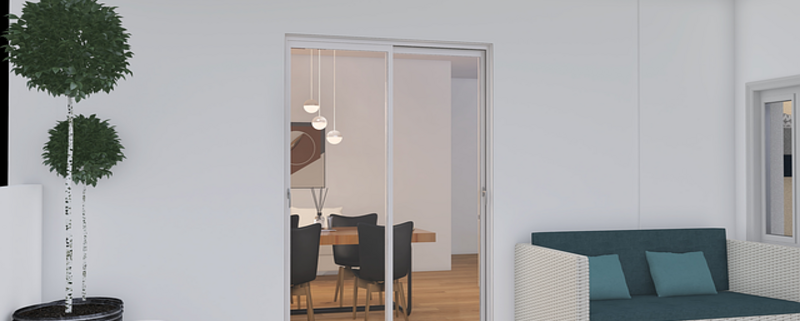

sliding screen door

If you call Canada home and your patio door slides, you no doubt understand that a sweet summer breeze is nearly as coveted as maple syrup. That’s where the sliding screen door comes in—a quietly indispensable companion that lets you soak up fresh air without surrendering your living room to a swarm of mosquitoes (or watching your air conditioning bill climb). Take care of your screen door, and it’ll soon feel just as vital as your snow shovel—particularly during that Canadian summer, brief as it is.

Canada’s Weather

Canada’s weather is notorious for its mood swings. You’ll get sticky, humid days in Ontario, while Alberta brings on parched, bone-dry heat. So screens have to be as resilient as hockey gear—ready to flex, defend, and survive whatever the forecast serves up. Today’s sliding screen doors have really stepped things up, with smart designs and upgraded materials standing up to everything from sudden chills to searing sun. Installed properly, these doors pull double duty; sure, they’re barrier against bugs, but they can also help your home feel cooler and fresher—maybe even giving your AC a bit of a break now and then.

Understanding Door Systems

Picture your sliding screen door as a sort of bouncer for the patio—a lattice of mesh rolling smoothly back and forth on a carefully crafted track. Open or shut, you get a blast of summer air but keep out anything with wings or too many legs. No surprise, then, that so many Canadians love how this setup invites the outdoors in without turning you into the main course for bloodthirsty insects in July.

Still, it’s really the track that makes or breaks your screen experience. Good quality tracks are paired with wheels that glide more effortlessly than a seasoned figure skater, which is important, since anyone here knows how finicky tracks can become after a few freeze-thaw cycles. Some of the best doors give you adjustable rollers, so you can fine-tune your screen to slide just right, even as your house gradually shifts or the weather can’t make up its mind.

Installation Details

Now, about those frames—aluminum and steel typically lead the pack. Aluminum doesn’t lose sleep over salty ocean winds or the salty mess on winter roads; rust just isn’t an issue. Steel brings extra strength, which you want if your patio door is on the larger side, but you’ll want to be sure it’s got a solid weather-resistant paint finish to shield it from summer’s sweaty humidity.

Most screens you’ll run into measure from 762 to 914 mm wide (or 30 to 36 inches (0.91 m), for folks who still think in inches), with heights usually between 1965 and 2032 mm. So they fit your typical patio, though there’s always room for those oddball or custom-built homes. These sizes aren’t guessed—they’re made to work neatly with our building codes, giving just enough wiggle room for houses that like to be a bit different.

Screen Materials

Getting the right fit is more involved than waving a tape measure and calling it a day. Pros know settling doorways—especially in newer builds or frost-heavy areas—can throw things off. So, they’ll double-check the frame for squareness, make sure thresholds are even, and confirm there’s a clean path for your door to run smoothly, no matter how much your place shifts or groans as the weather turns.

If you’d rather roll up your sleeves for a DIY project, you can order a kit containing all the expected parts—the frame, corners, wheels, handles, and a decent mesh screen. If you’re handy and patient, you might have it all together in less than 30 minutes. But to be honest, many Canadians still bring in the pros to make sure everything seals up tight and glides like a dream, especially when humidity ramps up.

Mesh may not grab the headlines, but it’s quietly doing some heavy lifting. Fibreglass is the go-to option—lets in air and light, though you might notice it starting to sag after a long, hot season. Got a dog or a cat who thinks the screen is just a suggestion? Pet-proof mesh can hold its own, but it’ll block a bit more air, so there’s a trade-off between airflow and animal-proofing.

Now, if longevity is your thing, aluminum and stainless steel are really hard to beat. They stay tight, crisp, and unfazed through temperature swings and stiff breezes. And then there are solar screens, which not only keep bugs off the guest list but also deflect the sun—a blessing if your patio bakes through southern exposure.

Seasonal Care

Let’s not forget that screens aren’t just functional—they can be a bit stylish, too. Charcoal and bronze shades tend to make the outside view look richer and cut down on glare, while paler colours might let more light and air through but pick up stains faster (anyone with allergies will know what pollen season can do). Deep, earthy tones are favourites in most Canadian homes for their mix of sharp looks and clear views.

Looking after your screen door is a bit like warming up for hockey—you want it primed for action through all sorts of Canadian weather quirks. Spring usually means digging out winter’s leftover grit from the track, giving those rollers a bit of lubricant, and looking for spots where ice or snow roughed up the mesh. Soapy water and a gentle scrub go a long way on screen maintenance.

During summer, your main job is to fend off dust and pollen in the tracks. Wiping them down each week helps you steer clear of sticky doors, and a soft brush on the screen keeps air flowing freely all season long.

Repair and Replacement

When the deep freeze arrives, some folks go as far as taking the whole screen down and stashing it out of harm’s way, especially where snows get serious. Still, if you went for a solid installation and keep things clean, your screen can weather the cold alongside the rest of your house without any issues.

Dealing with a ripped screen is almost a Canadian tradition at this point. The drill usually starts by popping the door off and pulling out the old spline—the flexible bit that holds the mesh in place. If you’re hoping to avoid mangling the frame, just take it slow; seasoned pros make this look easy, always ending up with a neat finish.

When it’s time to fit the replacement mesh, you’re playing a careful game of tension. Not enough and the screen sags, too much and you risk warping the frame. Start in one corner and work your way along, keeping things nice and even, and always grab the right spline size so the mesh stays taut whether it’s raining or you’ve got a curious pup testing the limits.

Cost and Value

If your screen’s stubborn, even after you’ve cleared the tracks, you’re probably ready for new rollers. The best options come with sealed bearings—they aren’t bothered by slush, rain, or salted walkways and should last through several messy Canadian seasons. Stainless or weather-coated parts tend to go the distance without complaining.

A sliding screen door can cost you anywhere from $150 to $600 depending what options you choose. Rolling your own from a kit can bring hefty savings—anywhere from 40 to 60 percent off what you’d pay for an installed one. Still, pros bring measuring expertise, a custom fit, and sometimes a warranty, which can be handy if your house likes to shift and settle more than expected.

Energy-wise, a snugly installed screen door means you might catch enough fresh air to keep AC costs down during the year’s hottest weeks. In some parts of Canada, that draft can really help you keep cool without dialing up your power bill, and after a couple years, your screen may have paid for itself just in savings.

There’s something to be said for the looks, too—a gleaming, easy-gliding screen adds curb appeal and makes indoor-outdoor living a breeze. Buyers, along with their real estate agents, tend to notice spotless screens, and it’s one of those little touches that hints at a home that’s been well cared for.

We’re starting to see sliding screen doors get a bit of a tech makeover, chasing after what Canadians want as both the weather and our routines keep shifting. Watch for new features like motorized screens and smartphone compatibility—these are a real bonus if accessibility matters to you or if you’re wrangling multiple doors.

Eco-friendliness is coming into focus as well. You’ll find manufacturers turning out recyclable aluminum frames, even swapping in biodegradable spline materials, which can help green up your renovation as much as that backyard compost heap. Canadian building codes are catching on, quietly insisting on longer-lasting, more sustainable options.

And let’s be honest—the weather isn’t getting tamer. With climate growing ever more unpredictable, modern screens are built to laugh off gusts, pounding sun, and sudden cold snaps. It looks like future screens will only get smarter, tougher, and more eco-conscious, giving Canadian homeowners even greater comfort and confidence—wherever they happen to live.

peel and stick floor tiles

The affordable cost for Canadian homeowners to redo their flooring is one of the reasons peel and stick tiles are becoming the preferred option when it comes to fast remodels in the country. Simple to install self-adhesive tiles such as vinyl, give a perfect combination of strength, elegance, and cost and that is something that’s most exciting for the Canadian DIY enthusiast.

The Importance of Peel and Stick Flooring in Canadian Homes

Keeping this in view, it would not be wrong to mention here that for Canadians significant temperature variability and changes in humidity mean selection of proper floor material is now extremely important to keep up the home’s value and its comfort levels. Another reason for choosing tiles will go beyond the direct saving during purchase getting a $2-8 CAD per square foot instead of traditional hardwood at $15-25 CAD according to Canadian builders.

Peel and Stick Tiles for Quick Renovations

Canadian contractors love using these handy little tiles as they say they not only instantly transform spaces but handle the brutal seasonal swing throughout the year. For those facing long renovation timelines, peel and stick tiles provide immediate results with a near-professional finish.

Collections represent an innovation in the domain of flooring without adhesives, nails, or even professional installation. The technology these tiles use is based on a pressure-sensitive adhesive backing that is covered with a layer of paper which can be easily removed. Once this backing is peeled off, applied pressure makes the tile stick directly to clean prepared subfloors.

Such tiles are mostly considered floating floor systems by Canadian building codes making them applicable for use in most residential applications. Vinyl construction usually comprises several layers among which, are a protective wear layer, decorative print layer, and adhesive backing. Such multilayer constructions give ratings of durability that meet and very often exceed Canadian standards for residential flooring applications.

Temperature is a major factor in Canadian installations since extreme cold can hinder adhesive performance. Most manufacturers recommend installing peel and stick tiles at indoor temperatures between 18-24°C. Due to this temperature sensitivity, timing becomes an issue with Canadian homeowners who install them in areas where severe winter conditions prevail.

Popular Styles and Design Options The design options of peel and stick floor tiles available to Canadian consumers have dramatically increased over recent years. Wood-look planks still remain the most popular choice offering realistic grain patterns that mimic oak, maple, and other species found within Canada itself. Stone and marble patterns offer beautiful options where strength meets beauty, often chosen for bathrooms, kitchens, and entryways.

Home Depot and Rona have wide stocks of tiles with looks taken from Carrara marble, travertine, and Canadian granite forms. These lines usually show small changes in texture that add to the real look. Geometric and modern patterns fit current Canadian home layouts well, especially found in city areas like Toronto and Vancouver.

Strong patterns, metal finishes, and unusual designs give a choice for making statement floors that match the home’s new build style. Square shapes are mostly 30cm x 30cm while plank types go from 15cm x 91cm up to 22cm x 122cm.

Installation Requirements and Best Practices

Vinyl tile always require a good subfloor, which proves more difficult to achieve in Canadian climates. This means that the floor has to be perfectly clean and dry, flat, and free from any bumps or dips for the adhesive to catch properly and not let go too soon. Canadian humidity levels require closer attention to moisture content; floors have to be below 14% before laying anything down.

Also, temperature acclimation becomes extremely important for Canadian installs – tiles must sit in the room where they’ll be installed at normal household temps for at least 24 hours, preferably 48, before installation begins. Otherwise, you’ll run into problems with thermal expansion when heat is finally turned on during colder months. Most professional contractors suggest maintaining indoor temperatures while installing.

Remove furniture, clean the subfloor and layout lines from the center point of the room. Starting installation at the center provides balanced tile placement with a professional look. Canadian building experts state that it is very important to roll each tile with a weighted roller to ensure full adhesion because of temperature fluctuations in their country.

Performance in Canadian Climate Conditions

Unique climate challenges in Canadian homes are flooring performance factors due to maritime humidity in Atlantic provinces and prairie temperature extremes. Properly selected and installed peel & stick tiles show resilience under such conditions.

Quality tiles resist variation from -20°C up to 40°C without making any significant dimensional changes. Moisture resistance becomes particularly important in Canadian applications, especially in basements, bathrooms, and mudrooms where snow and rain create challenging conditions.

Premium peel and stick tiles feature enhanced moisture barriers that prevent water penetration and maintain adhesive integrity. This performance proves crucial in preventing mold and mildew growth common in Canadian humid conditions.

Seasonal expansion and contraction rates for quality peel and stick tiles typically remain below 0.1% per 10°C temperature change. This stability surpasses many traditional flooring materials in Canadian applications. The flexible vinyl construction permits accommodation of building movement without cracking or separating as is found with rigid flooring systems in Canadian climates.

Cost Analysis and Economic Benefits

The economic benefits of flooring has become more convincingly articulated when integrated with Canadian labor costs and material availability. In major Canadian cities, labor-only installation of professional flooring would cost between $8-15 CAD per square foot.

This expense is eliminated by the use of peel and stick tiles that give esthetic results comparable to traditional tiles. Basic peel and stick tile materials cost about $1.50 CAD per square foot in Canada, while premium choices climb up to $12 CAD per square foot.

The common price is in the range of $3-6 CAD per square foot which still means a lot of savings when put side by side with ceramic tile at $8-15, or hardwood at $12-25 per square foot. These savings allow budget allocation to other renovation priorities.

Long-term value differences also come from replacement costs and maintenance over typical lifespans of 10-15 years. Most Canadian homeowners are happy to be able to change floor coverings to new trends without major renovation disruption.

Many choices present an opportunity for seasonal changes or rental property updates since their removability does not require permanent changes to the substrate.

Real-World Applications in Canadian Homes

Kitchen remodeling is the number one use of tiles by Canadian homeowners, especially in older homes that have outdated vinyl or worn hardwood. The average twelve square meter kitchen renovated with mid-range peel-and-stick tiles will be $300-800 CAD for materials compared to $2,400-4,800 CAD for ceramic tile installed.

Water resistance and easy maintenance make it ideal for busy families in Canada. Basement applications have gained favor as Canadian homeowners use space by means of maximizing the living area without making major structural changes.

Since the tiles can be installed over existing concrete slabs, it becomes a dual installation plus moisture resistance and recreational rooms and home offices are made possible. Cold concrete floors become comfortable and attractive with proper tile selection and installation techniques.

Peel-and-stick tiles find another stronghold of application in the Canadian context under seasonal cottage and cabin usages. Installation does not require professional help; hence, it is very useful for remote spots where contractor availability cannot be found.

A lot of cottage owners like easy removal for off-season storage or future updating particularly in properties with extreme seasonal use patterns.

Brand Performance and Availability Retailers in Canada carry a few best brands of peel and stick tiles that work well for various uses and budgets. Style Selections, which can only be found at Lowe’s Canada, offer steady mid-range choices with large design groups that fit what Canadians like. Their wood-look planks draw buyers who want classic style mixed with new ease.

Achim tiles, easy to find at Canadian Home Depot stores, keep costs low while still meeting key needs for use. Their stone-look lines are well-liked for bathroom and kitchen use where water proofing is crucial. This brand gives many size picks that fit different room plans and design tastes seen in Canadian houses.

Stone-look lines stands for the premium segment with creative patterns and added strength components durability under conditions of use where extra toughness is a major requirement. In most cases, this brand surpasses general Canadian ratings and extends more warranty time to consumers. The higher price at first mostly returns by way of long life and good looks, thus important in areas that are seen by many people.

Expert Insights and Professional Recommendations

Tips are highly recommended by Canadian floorers in those places where certain normal materials fail to work properly. Any place has much moisture as basements, bathrooms, or laundry rooms since water from tiles is naturally resisted plus easily replaced, these tiles will help.

No grout lines require maintenance, hence maintenance is reduced plus no infiltration of moisture like ceramic installation. Professional installers emphasized the critical role of substrate preparation in Canadian applications because variations in temperature and humidity place so much stress on adhesive bonds.

Priming of any porous surface, such as concrete or old plywood, will significantly enhance long-term performance. This step adds $1-2 CAD per square metre but prevents failure throughout the tile’s expected life.

Building inspectors have found that quality peel-and-stick installations do provide a floor that meets Canadian building code requirements for residential installations when properly installed over the right substrates. The product is very popular and preferred for use in rental properties or temporary installations due to its removability by most brands. Recommendations from professionals mostly favor established brands with a distribution network inside Canada due to warranty support and replacement availability.

Proper care will greatly extend the life of peel and stick tiles, especially under Canadian climatic conditions where seasonal stress may reduce their performance. Surface cleaning with pH-neutral cleaners will keep the look of the surface and maintain the wear layer that protects it. The integrity of the tile can be ensured against damage by any harsh chemicals or cleaning method and also keeps warranties valid from most manufacturers.

Households in Canada gain value through seasonal maintenance routines that are designed for climate-related stress factors. This includes attention to salt residue in winter months and moisture control, as well as increased ventilation during humid summer periods to avoid softening adhesives. Door mats and humidity control make tile life much more than minimum warranty periods.

Replacement strategies are key considerations for Canadian homeowners who plan long-term solutions with their floors. The individual tile replacement feature allows them to fix damages without renewing the whole floor. Buying 10-15% extra tiles during the original installation carries availability for any future repairs that may be needed when design patterns go out of stock, which is most likely what happens as time passes.

Future Outlook and Innovation Trends

Creative patterns and added strength components continue to define the Canadian peel-and-stick tile market by catering to specific regional needs. More manufacturers are seen prioritizing cold weather adhesive formulations so that bonding strength can be maintained within Canadian temperature ranges.

Such technological advancements increase the installation seasons and ensure better long-term performance in difficult climates. Eco-friendly peel and stick options using recycled materials and low-emission adhesives further develop the product, driven by sustainability considerations.

The more Canadian consumers value environmental responsibility, the higher the demand for a product that performs well but has less impact on the environment. Several manufacturers have initiated recycling programs for the end-of-life tiles to help address disposal concern issues in some of the country’s provinces.

corrugated plastic sheets

Corrugated plastic establishes itself as an essential solution material for homeowners and businesses in Canada who are on the lookout for a sturdy, weather-resistant material. These versatile panels perform exceptionally well in our demanding climate conditions delivering from harsh winters to humid summers.

They boast a lightweight strength that delivers ease of use with surprising durability, allowing endless possibilities of uses within residential and commercial applications.

Understanding Corrugated Plastic Sheets

Corrugated plastic sheets have two flat layers of plastic sandwiching a fluted core. The by-product is a rigid panel though still light in weight. This new design results in excellent structural integrity but never gives up on easy handling characteristics.

These have become typical sizes for such sheets in Canada: 1.22 x 2.44 metres (4’x8′) with standard thicknesses somewhere around 4mm. Polypropylene is the standard since it is known for its chemical resistance and ease of recyclability.

Key benefits for Canadian applications

As plastic corrugated sheets are made from plastic, they are very much weatherproof and cannot take on moisture sitting flat between a temperature range of -40°C all the way up to 80°C, meaning they will not crack or warp in extreme cold or heat conditions thus extremely attractive as exterior signage, protective barriers and temporary enclosures during Canada’s extended winter months.

Canadian contractors appreciate the cost-effectiveness, because at major retailers the standard 4’x8′ panel is somewhere in between $30-$60 CAD. It is strong material, with long-term value as it lasts for 5-10 years even under the rough conditions of outside use.

Common uses in Canadian homes and businesses

Canadian homeowners commonly use it for garage door insulation as a good thermal bar against the winter cold. The sheet is also used as very good protective covers over outdoor furniture in our snowy months. Canadian weather extremes will do nothing to flimsy signage made out of corrugated plastic.

The material endures; hence, businesses use it for durable signage. Temporary displays and exhibition booths that have to bear the transportation and outdoor conditions rely on it, too, making event planners happy.

Installation and Maintenance Considerations

Basic tools from any hardware store in Canada are what you need to install the corrugated plastic sheets. Material is easily cut with a utility knife or fine-toothed saw.

For outside applications, use stainless fasteners so as not to get rust stains in our humid climate. Maintenance includes easy cleaning with mild soap and water. Occasional brushing prevents weight buildup in areas of heavy snowfall.

Energy Efficiency Benefits

Canadian homeowners put up with energy savings when using corrugated plastic for garage insulation. Some describe reduced heating costs and more stable interior temperatures in attached garages while complaining about light transmission making workspaces brighter because this material lets the light through.

Amateur builders discuss how easy it is to work with this material compared to the old stuff. Flexible enough to take whatever project one has – a backyard shed or even a dog house – material that is recyclable fulfills an environmental ask from Canadians and serves as a green alternative to less eco-friendly materials.

Expert insights

Canadian contractors corrugated plastic recommend it for temporary construction barriers because it is both durable and visible, also specified by many commercial projects as these panels instead of plywood for hoarding withstand months of exposure without any deterioration.

UV stabilized versions are recommended by landscape professionals for permanent outdoor installations as standard panels may yellow with time in direct sunlight, though this does not affect structural integrity. The proper installation includes expansion room to prevent buckling during temperature swings.

Future outlook

The Canadian market for corrugated plastic sheets continually increases as more homeowners get to discover its usefulness. Manufacturers are coming up with new compositions of formulations that include a much higher percentage of recycled content to fulfill sustainability requirements.

lexan

Canadian home owners and contractors are most likely to turn to Lexan polycarbonate when they need a super tough clear material under extreme conditions. In fact, this revolutionary thermoplastic offers the highest level of impact resistance which could be maintained along with optical clarity that is actually used for garage door windows to protective barriers against the harsh Canadian winter.

Understanding Lexan

The original Lexan was developed by General Electric in the 1960s, becoming a widely recognized standard where application needs prioritized requirements for safety, durability, and visibility. Lexan represents the latest development in advanced polycarbonate materials, a component whose properties of performance extend beyond those provided by conventional matter elements such as glass or acrylic.

In a country with climatic conditions as Canada has wherein material failure commonly occurs due to thermal stress, Lexan can retain its proper characteristics from -40°C up to +30°C and has 250 times more impact strength compared to glass. Unlike ordinary materials that fragment dangerously under impact, Lexan bends and absorbs energy then returns to its original shape – a property that has made it invaluable in safety applications nationwide.

Benefits of Lexan in Canada

Lexan delivers properties in a combination quite unique to itself and that makes it an ideal choice for building and renovation applications within Canada. It will allow for excellent light transmittance while blocking the harmful UV rays that can damage inside furnishings from direct sunlight. The material is inherently flame resistant, satisfying the most stringent Canadian building codes applicable in any commercial or residential application.

Weighing in at only half as much as glass, Lexan reduces structural loads while providing better protection, and is preferred by Canadian contractors since it can easily be cut, drilled, and shaped onsite using standard tools. It retains its dimensional stability over time without the warping and shrinkage seen with other plastics under our climatic conditions.

Applications of Lexan

Throughout Canada, Lexan has important applications in both home and business places. In homes, many people use panels because its shatterproof feature does not break dangerously due to hockey puck hits or high temperature swings. In the case of schools and public buildings, it is used as glazing that resists vandals which can take our severe winters.

In businesses, workers are kept safe as machine guards and safety shields using Lexan. Its capacity to stop bullets gives it a use for bank teller stations and police station barriers. It is applied by transportation departments on bus shelters and signs that need to withstand the country’s freeze-thaw cycling without cracking.

Installation Considerations for Lexan

Proper installation will always assure that Lexan behaves optimally under Canadian conditions. Unlike glass, special fastening systems need to be used with Lexan and should allow for its thermal expansion. Contractors need to leave edge clearance, typically 3-6mm per metre of panel width, in order not to allow buckling due to temperature changes.

Outdoor applications require the specification of UV-protected grades so that there is no yellowing seen over time. Installation in a garage door requires rubber gaskets excluders against vibration damage while allowing for the movement that is needed. Professional installers use and follow CSA standards so as to get maximum performance and long life out of a product.

Cost-effectiveness of Lexan

While initially more expensive than glass or acrylic (typically $15-$30 per square foot in Canada), Lexan’s durability pays off in long-run savings because impact resistance reduces replacement costs incurred through vandalism or accidents. Energy efficiency gained from insulation properties will lower heating bills during Canadian winters.

Since it does not mar easily and does not require any specific cleaning agents, the maintenance cost is very minimal compared to glass. Many Canadian insurance providers offer discounts where properties are installed with Lexan in high-risk areas because of its safety characteristics that surpass other materials.

Lexan’s Impact on Homeowners

The product Lexan offers home security and reduced upkeep for a householder in Canada. Play areas and windows that may get struck by flying objects during storms appreciate the shatterproof qualities of this material. It creates quieter rooms near busy streets or multifamily houses due to its sound-dampening effects.

Renovators use Lexan to allow light, protected spaces without compromise of the security. Insulation attributes make sunrooms, skylights, and patio enclosures better places with views preserved. More resilient weather tendencies across Canada result in more homeowners choosing Lexan for its resilience.

Expert Insights

Lexan plastic is typically recommended by Canadian building professionals for those applications where safety and durability are at stake. In the climate, materials are under unceasing assault from swings in temperature and impacts, observed by Toronto contractor Mark Richardson. Year after year with low upkeep, Lexan beats the alternatives.

Home energy consultants share that Lexan has insulating abilities added to improve the thermal performance of a home by up to 30% better than single pane glass. Manufacturers continue to offer new versions coming with even better scratch resistance and self-cleaning features aimed explicitly at Canadian market needs.

As building codes evolve in the dimensions of climate change and safety considerations, Lexan is likely to play a larger role in Canadian construction through such emerging applications as hurricane windows and smart glazing that responds to sunlight. Homeowners who are considering renovations or new builds will find Lexan to offer a future-proof solution with a balancing act between safety and performance plus aesthetics. It has become an increasingly popular choice across the country because it proves its worth under extreme conditions.