
Sliding Screen Doors Canada Ultimate Guide for Homeowners
If you call Canada home and your patio door slides, you no doubt understand that a sweet summer breeze is nearly as coveted as maple syrup. That’s where the sliding screen door comes in—a quietly indispensable companion that lets you soak up fresh air without surrendering your living room to a swarm of mosquitoes (or watching your air conditioning bill climb). Take care of your screen door, and it’ll soon feel just as vital as your snow shovel—particularly during that Canadian summer, brief as it is.
Canada’s Weather
Canada’s weather is notorious for its mood swings. You’ll get sticky, humid days in Ontario, while Alberta brings on parched, bone-dry heat. So screens have to be as resilient as hockey gear—ready to flex, defend, and survive whatever the forecast serves up. Today’s sliding screen doors have really stepped things up, with smart designs and upgraded materials standing up to everything from sudden chills to searing sun. Installed properly, these doors pull double duty; sure, they’re barrier against bugs, but they can also help your home feel cooler and fresher—maybe even giving your AC a bit of a break now and then.
Understanding Door Systems
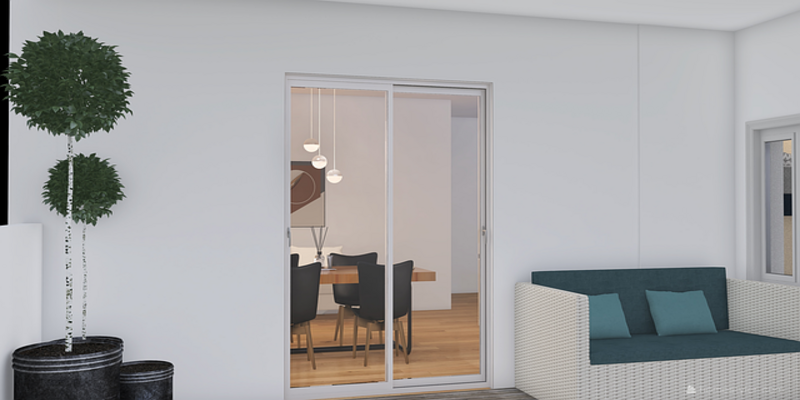
Picture your sliding screen door as a sort of bouncer for the patio—a lattice of mesh rolling smoothly back and forth on a carefully crafted track. Open or shut, you get a blast of summer air but keep out anything with wings or too many legs. No surprise, then, that so many Canadians love how this setup invites the outdoors in without turning you into the main course for bloodthirsty insects in July.
Still, it’s really the track that makes or breaks your screen experience. Good quality tracks are paired with wheels that glide more effortlessly than a seasoned figure skater, which is important, since anyone here knows how finicky tracks can become after a few freeze-thaw cycles. Some of the best doors give you adjustable rollers, so you can fine-tune your screen to slide just right, even as your house gradually shifts or the weather can’t make up its mind.
Installation Details
Now, about those frames—aluminum and steel typically lead the pack. Aluminum doesn’t lose sleep over salty ocean winds or the salty mess on winter roads; rust just isn’t an issue. Steel brings extra strength, which you want if your patio door is on the larger side, but you’ll want to be sure it’s got a solid weather-resistant paint finish to shield it from summer’s sweaty humidity.
Most screens you’ll run into measure from 762 to 914 mm wide (or 30 to 36 inches (0.91 m), for folks who still think in inches), with heights usually between 1965 and 2032 mm. So they fit your typical patio, though there’s always room for those oddball or custom-built homes. These sizes aren’t guessed—they’re made to work neatly with our building codes, giving just enough wiggle room for houses that like to be a bit different.
Screen Materials
Getting the right fit is more involved than waving a tape measure and calling it a day. Pros know settling doorways—especially in newer builds or frost-heavy areas—can throw things off. So, they’ll double-check the frame for squareness, make sure thresholds are even, and confirm there’s a clean path for your door to run smoothly, no matter how much your place shifts or groans as the weather turns.
If you’d rather roll up your sleeves for a DIY project, you can order a kit containing all the expected parts—the frame, corners, wheels, handles, and a decent mesh screen. If you’re handy and patient, you might have it all together in less than 30 minutes. But to be honest, many Canadians still bring in the pros to make sure everything seals up tight and glides like a dream, especially when humidity ramps up.
Mesh may not grab the headlines, but it’s quietly doing some heavy lifting. Fibreglass is the go-to option—lets in air and light, though you might notice it starting to sag after a long, hot season. Got a dog or a cat who thinks the screen is just a suggestion? Pet-proof mesh can hold its own, but it’ll block a bit more air, so there’s a trade-off between airflow and animal-proofing.
Now, if longevity is your thing, aluminum and stainless steel are really hard to beat. They stay tight, crisp, and unfazed through temperature swings and stiff breezes. And then there are solar screens, which not only keep bugs off the guest list but also deflect the sun—a blessing if your patio bakes through southern exposure.
Seasonal Care
Let’s not forget that screens aren’t just functional—they can be a bit stylish, too. Charcoal and bronze shades tend to make the outside view look richer and cut down on glare, while paler colours might let more light and air through but pick up stains faster (anyone with allergies will know what pollen season can do). Deep, earthy tones are favourites in most Canadian homes for their mix of sharp looks and clear views.
Looking after your screen door is a bit like warming up for hockey—you want it primed for action through all sorts of Canadian weather quirks. Spring usually means digging out winter’s leftover grit from the track, giving those rollers a bit of lubricant, and looking for spots where ice or snow roughed up the mesh. Soapy water and a gentle scrub go a long way on screen maintenance.
During summer, your main job is to fend off dust and pollen in the tracks. Wiping them down each week helps you steer clear of sticky doors, and a soft brush on the screen keeps air flowing freely all season long.
Repair and Replacement
When the deep freeze arrives, some folks go as far as taking the whole screen down and stashing it out of harm’s way, especially where snows get serious. Still, if you went for a solid installation and keep things clean, your screen can weather the cold alongside the rest of your house without any issues.
Dealing with a ripped screen is almost a Canadian tradition at this point. The drill usually starts by popping the door off and pulling out the old spline—the flexible bit that holds the mesh in place. If you’re hoping to avoid mangling the frame, just take it slow; seasoned pros make this look easy, always ending up with a neat finish.
When it’s time to fit the replacement mesh, you’re playing a careful game of tension. Not enough and the screen sags, too much and you risk warping the frame. Start in one corner and work your way along, keeping things nice and even, and always grab the right spline size so the mesh stays taut whether it’s raining or you’ve got a curious pup testing the limits.
Cost and Value
If your screen’s stubborn, even after you’ve cleared the tracks, you’re probably ready for new rollers. The best options come with sealed bearings—they aren’t bothered by slush, rain, or salted walkways and should last through several messy Canadian seasons. Stainless or weather-coated parts tend to go the distance without complaining.
A sliding screen door can cost you anywhere from $150 to $600 depending what options you choose. Rolling your own from a kit can bring hefty savings—anywhere from 40 to 60 percent off what you’d pay for an installed one. Still, pros bring measuring expertise, a custom fit, and sometimes a warranty, which can be handy if your house likes to shift and settle more than expected.
Energy-wise, a snugly installed screen door means you might catch enough fresh air to keep AC costs down during the year’s hottest weeks. In some parts of Canada, that draft can really help you keep cool without dialing up your power bill, and after a couple years, your screen may have paid for itself just in savings.
There’s something to be said for the looks, too—a gleaming, easy-gliding screen adds curb appeal and makes indoor-outdoor living a breeze. Buyers, along with their real estate agents, tend to notice spotless screens, and it’s one of those little touches that hints at a home that’s been well cared for.
Future Trends
We’re starting to see sliding screen doors get a bit of a tech makeover, chasing after what Canadians want as both the weather and our routines keep shifting. Watch for new features like motorized screens and smartphone compatibility—these are a real bonus if accessibility matters to you or if you’re wrangling multiple doors.
Eco-friendliness is coming into focus as well. You’ll find manufacturers turning out recyclable aluminum frames, even swapping in biodegradable spline materials, which can help green up your renovation as much as that backyard compost heap. Canadian building codes are catching on, quietly insisting on longer-lasting, more sustainable options.
And let’s be honest—the weather isn’t getting tamer. With climate growing ever more unpredictable, modern screens are built to laugh off gusts, pounding sun, and sudden cold snaps. It looks like future screens will only get smarter, tougher, and more eco-conscious, giving Canadian homeowners even greater comfort and confidence—wherever they happen to live.


