
Discover Canada’s Essential Guide to Choosing Gravel
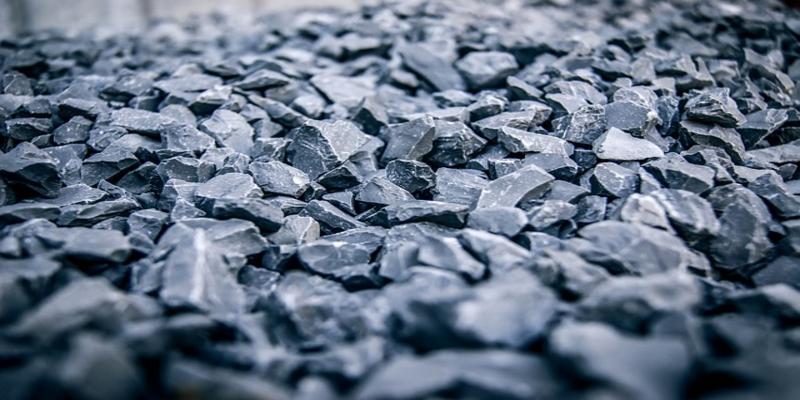
Gravel isn’t exactly glamorous, but across Canada, it’s the unassuming backbone holding up everything from driveways in Vancouver to cottage lanes out East—it’s basically the construction world’s answer to duct tape. This behind-the-scenes champ takes on vicious freezes and wild temperature swings, quietly making sure our roads, garages, and backyards stay solid. So, if you’re eyeing a garage overhaul, fixing up your driveway, or planning that garden walkway, getting to know your gravel is practically a Canadian homeowner must-do.
Honestly, gravel’s like a Swiss Army knife for construction around here—tough, endlessly useful, and often the first thing you reach for. The prairies and the rocky Shield have their own local gravel blends, all sculpted by the land and seasons. And, even though gravel’s been kicking around since before the first puck drop, it’s enjoying a bit of a comeback right now—taking on both the tough jobs and the pretty ones, a reminder that some classics stick around for good reason.
Understanding Gravel
To cut to the chase, gravel’s just a bunch of loose rock bits. But don’t shrug—it’s like a box of Timbits, the size actually matters. Canadian gravel chunks range from about 2 up to 64 millimetres, a handy thing to know if you’re picking what’ll work best for your project. We usually think of gravel in a few types—fine, medium, and coarse, or if you prefer, granular, pebble, and special grades. Choosing the right size isn’t just a fussy detail; it’s the secret to good drainage and solid footing up here north of the 49th.
How gravel is made changes everything, too. You’ve got river stones, all smooth and round, which let water flow through—great news when the snow melts or you’re hammered with rain. Then there’s crushed gravel, which is all sharp angles and rough edges, so it packs tight—perfect for garage pads and spots where you need the ground rock-steady. Mother Nature’s approach is slow but pretty, while the crushed stuff gets churned out by machines when you need things locked down and weatherproof.
Here’s something that might surprise you: a single cubic metre of gravel clocks in at about 1,800 kilograms—yeah, that’s more than a big moose. Here in Canada, that weight means you’ve got to plan, whether you’re making sure garage doors work, or confirming your foundation and delivery estimates don’t go sideways. Get your measurements right at the start and your Canadian reno should stand up to whatever comes its way.
Construction Applications in Canada
Skyscrapers, skating rinks—it doesn’t matter: if you dig into a Canadian build, you’ll find gravel quietly pulling its weight, especially in concrete. Thanks to gravel, our buildings survive those -40°C bone-chillers and sudden summer heat waves. The way gravel helps concrete absorb and release heat keeps things from cracking, making sure our structures don’t give up the ghost when the weather gets weird.
Take a spin on a rural road and odds are you’re rumbling over gravel—it’s the staple for everything from highways to sneaky cottage routes. Provinces set the playbook, choosing which type of gravel handles local weather, traffic, or even the odd set of tire chains. Good Canadian gravel keeps water draining off and tires grippy, which matters a lot when winter tries to turn your commute into a bobsled run.
And for garages? Gravel always goes down first. It creates a tough, moisture-resisting base that helps fend off those dreaded frost heaves. Canadian building codes don’t fool around when it comes to gravel: there are rules for depth and packing technique, all to make sure your garage doesn’t start leaning by next year. For attached garages especially, a solid base keeps your house put and stops those annoying cracks.
Landscaping and Drainage Solutions
Homeowners are pretty taken with gravel lately, and honestly, who can blame them? It barely needs any pampering, which is huge if you’re raking leaves in the middle of a fluke October snowstorm. River gravel, with its soft edges and earthy tones, is a go-to for walkways and planting beds—easy charm, less back-breaking work. Plus, it’s a natural weed shield and doesn’t let puddles hang around, making things simpler pretty much coast to coast.
If you want to keep your basement dry, gravel is your best bet for drainage. Use the right grade in your French drains, and it’ll zip water away before it gets a chance to sneak inside—especially key when the spring melt or surprise storms hit. Fast drainage like this can keep your home’s biggest investments safe and the headaches to a minimum.
Curb appeal isn’t lost on gravel, either. It can match any Canadian look, whether you’re after Pacific Northwest calm or cottage country charm. And when you opt for local gravel, you add a little regional flair—honestly, it feels like picking out the right boots for the season. Evergreen style, no matter if your yard’s blooming or buried in snow.
Types and Selection Criteria
Are you after looks or hardiness? For patios and pathways, natural gravel is a favourite—those smooth edges save your feet, and the river-worn colours last for ages. Canadian rivers have turned out shades and styles that tough out our unpredictable weather. Sure, the up-front price might sting a bit, but like that beloved hoodie, these stones hang around year after year.
But if you need gravel to really dig in—think driveways or garage pads—crushed stone gets the nod. Those rough, sharp pieces wedge together tightly, stubborn against ruts or shifting even when the ground freezes solid. Builders around here usually trade off a bit of drainage for the peace of mind that comes from a base that doesn’t budge.
And your gravel options really depend on local terrain—Canada is a wild grab bag that way. Prairie folks are big on limestone, Atlantic Canada leans into granite, and out west, you see everything from pebbly river stones to some wild mountain rock. Picking what’s local just makes sense—your project fits both the landscape and the climate, plus it often saves you on transportation costs.
Installation and Maintenance Considerations
Getting gravel installed in Canada isn’t quite set-it-and-forget-it. You need to beat the freeze, plan for drainage, and get the timing right. Ideally, spring is when you want to tackle it so things can settle in, but if you go in the fall, watch for early frost that can throw off your compaction. Most local pros bury more gravel than the minimum, especially in areas that hit deep cold, to dodge trouble when that frost line creeps way down.
And when it comes to setting up, compaction is where it counts—think of it as giving your project a solid handshake. In Canada, plate compactors or rollers press everything solid so it stays put. Spring thaw can try to mess it up, but if you did it right, you shouldn’t see much shifting when the snow melts.
Maintenance isn’t taxing, either—decorative spaces just want a rake and the odd weed patrol. Driveways or garage pads might call for the occasional top-up or levelling, especially after a wild winter. Give things a look every so often and you’ll avoid big repairs and keep your gravel working for you year after year.
Cost Factors and Supplier Considerations
Costs? Well, gravel prices in Canada are all over the map depending on where you are, when you buy, and how much you need—anything from $15 up to $45 per cubic metre. City folks often pay more since the rock has to come all the way from distant pits, while out-of-towners might face steep delivery fees. But if you can wrangle a group order with neighbours, you can save everyone a few bucks.
Canadian quarries know their customers too—they tailor mixes and stone types for local climates and design trends. Prairie households get their pick from a big menu of local stone, while coastal buyers might splurge on something special for a unique backyard. It’s worth getting chummy with your local supplier, especially when the spring rush rolls around and demand outpaces supply.
Supply can get dicey in winter since hauling gravel through a snowstorm isn’t exactly anyone’s dream. When spring returns, prices really take off—hikes of 15-25% aren’t unusual compared to winter. That’s why, if you’re planning a spring project, buying late in the season can save you a heap. Seasoned Canadian contractors tend to lock in their stones early, sidestepping sticker shock and making sure deliveries arrive just in time.
Environmental and Regulatory Aspects
Canadians care about their wilderness, and that goes for gravel too—provinces have strict rules on how quarries are run. Sustainability is the new normal, with careful practices to look after our lakes, forests, and local wildlife, all while making sure there’s enough rock to go around. Most reputable quarries are happy to show off their environmental creds, keeping a balance that feels, well, pretty Canadian.
Recycled gravel is catching on as well. Old buildings turn into new paths or patios, cutting down on waste and preserving the landscape—plus, it’s often just as sturdy for most jobs. Building codes are opening up to these greener options, giving a nod to people who want to build smart and eco-friendly.
Every town and city has its own rules, of course—what your driveway can be, how you build drainage, all that jazz. Permits can be a headache, but checking in with your city hall before you start digging will save you piles of grief. Doing it right means your hard work stands up for years and stays inside the rules.
Future Outlook
Looking forward, gravel in Canada faces some challenges—tighter environmental rules, pricier shipping, and developers gobbling up land. Climate concerns are pushing the industry to get cleaner and to recycle more, forcing everyone to rethink old school methods and aim for greener, leaner gravel. New tech is helping too, with smarter sorting and processing so that every load is better and less wasteful.
Believe it or not, gravel’s getting a tech upgrade: think GPS-controlled gear, robots sorting stones, and high-tech labs measuring quality. Even just ordering gravel is moving onto the web, letting you get what you need hassle-free and fast, which is honestly a bit of a game-changer for DIYers and contractors alike.
The forecast for gravel in Canada still looks solid—with bridges to fix and new neighbourhoods popping up everywhere, there aren’t many signs of a slowdown. As our highways grow and the rules change, look for innovative gravel options and fresh ideas. If you’re a Canadian homeowner or a builder keeping one ear to the ground, you’ll be in a good spot to tackle your next project smarter—and maybe with a little more budget left for something fun.


