
Best Patio Stones for Canadian Backyard Transformations
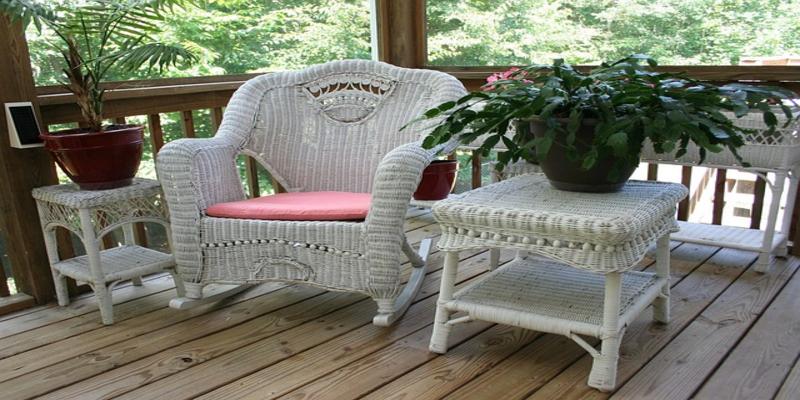
For Canadians, transforming the backyard into something special is a bit of an adventure—honestly, sometimes a battle too. You’re up against winter’s icy clutches, slushy spring mood swings, and those mid-summer scorchers, so your patio really needs to hold its own. Patio stones might seem basic, but pick the right ones, and suddenly that ordinary patch of ground behind your place becomes a spot you’ll brag about—whether you’re snuggled up in B.C. or grilling for the whole block in Ontario.
You don’t hear people singing their praises often, but patio stones have become the unofficial MVPs of Canadian backyards. No mystery why: while lesser stuff cracks and crumbles after a few dramatic freeze-thaws or turns to mush in the spring melt, these stones just keep chugging along and looking tidy. If you want your backyard investment to actually make it through every wild Canadian season, you’ll want to know what your choices are, learn how to lay and care for them, and stick to the “rules” up here in the north.
Understanding Patio Stones in the Canadian Context
Patio stones are those classic, flat, tough little workhorses—reliable pavers for a smooth patio, a walking path, maybe even a spot for the dog’s water dish. But, in our part of the world where the weather’s a personality all its own, your patio stones need extra grit. They’ve got to stand up to -40°C in the dead of winter, then roast at +35°C come July, all the while scoffing at salty slop and vanishing snowmelt. Picking out patio stones feels kind of like picking winter boots—get it wrong and you’ll regret it the moment the weather flips.
And it isn’t just the weather you need to keep happy. Canadian building codes and local bylaws can be sticklers for detail, laying out things like drainage requirements and how close you can build to your neighbour’s fence. Bigger projects (especially if you’re digging down or redirecting water) might even mean a trip to city hall for permits. Honestly, the research up front saves a ton of hassle and prevents those “are you kidding me” redos later on.
The cool part of living up here? When it comes to patio stones, you’re spoiled for choice. Local concrete plants and tried-and-true stone quarries from Quebec to B.C. mean you can buy tough, climate-ready materials made for Canadian weather. They usually cost less than importing fancy stuff from overseas, and chances are they’ll look right at home in your yard—a win-win for the wallet and the view.
Material Options and Performance Characteristics
Walk into any Canadian home improvement shop and you’ll spot concrete patio stones in just about every style and shade out there. Why are they so popular? They shrug off Canada’s freeze-thaw melodrama and aren’t out to drain your bank account. Most folks stick with handy 12″ x 12″ or 16″ x 16″ blocks, each one sturdy enough (usually about 40-60mm thick) to survive years of backyard action.
Modern concrete stones are a step above what you might expect—they come loaded with clever perks perfect for our wild climate. Air-entrained concrete is the star, with tiny bubbles inside acting like little airbags, helping the stones handle freeze-thaw chaos without cracking apart. Plenty of Canadian makers even chuck local stone in the mix so the pavers are extra stable and have that “belongs here” look with your yard’s soil.
Love the real deal? Natural stones like slate, limestone, and granite are up for grabs in tons of spots, especially if you go local. Quebec slate is famously grippy and great for rainy days, Ontario’s limestone has a classic, easy elegance, and granite? Between you and me, it’s pretty much indestructible and doesn’t ask for much upkeep either. Just prepare yourself—a natural stone patio often costs 40-60% more than its concrete cousin.
If you’re on the fence or renting, composite and plastic patio tile systems are kind of a game-changer. You lay them down for summer fun, then stash them in the shed before the snow falls. They’re awesome if you want some backyard flair without making a forever commitment (and there’s no permit hassle), but they’re not going to cut it for a permanent, “built-to-last” patio.
Installation Considerations for Canadian Climates
Installing patio stones in Canada isn’t just a matter of dumping them on flat ground—it’s a bit of a project. Frost heave can turn your hard work into a warped wasteland, so experts really want you to dig below the frost line—roughly 1.2 metres in southern spots, sometimes as deep as 2 metres up north. The gold standard is layering compacted gravel, a tough geotextile “blanket,” and a topping of crushed stone and sand, each packed down so tight it could survive a stampede of hockey fans.
Drainage is an absolute must—think of it as your patio’s insurance policy. Unpredictable thaws and heavy summer rain shouldn’t send water creeping toward your foundation. The trick is a gentle slope on your patio to guide water away, plus a clear plan for where it’ll end up (think French drains or subterranean pipes). Managing that flow keeps your stones in place and prevents surprise frost bumps.
Want your patio to stick around? Start at the right moment. While fall installations are tempting, there’s a risk if the base doesn’t settle before everything freezes. Most pros will tell you: shoot for spring or early summer. That way, your patio gets a head start to settle in before having to face its first real winter. Let’s be honest, it’s like letting your patio break in its new shoes before running a marathon.
And don’t forget the finishing move: Canadian-grade polymeric sand for the joints. This stuff keeps stones tight together, resists washing away during a big thaw, and really helps everything look solid. Just a heads-up—you’ll probably want to top up the sand every few years. It’s not a forever fix, but it keeps things looking sharp through our wild seasons.
Cost Analysis and Value Considerations
Patio stones? The price tag swings pretty wildly depending on your location, the material you want, and just how fancy (or big) you’re dreaming. Concrete’s usually a wallet-friendly $3-8 per square foot, while natural stone could have you dropping $8-20 per square foot. Bringing in pros? Add another $8-15 to that number, especially if you’ve got a weird backyard shape or you’re chasing a showy pattern.
Where you live matters—if you’re near a B.C. quarry, stone’s often more affordable. Out east, local concrete plants help keep costs down. If you time your shopping right, you can cash in on springtime splurges or those late autumn clearance deals, with prices rising or dipping by as much as 30% through the season.
Sure, your stomach might flip at the total, but this is a long-game play. A properly built patio stone setup can stick around for 25-30 years with minimal drama, compared to wood decks that need patching or replacing almost as soon as you get comfy. The kicker? A good-looking patio can bump your home value up by 5-10%, especially if it just “fits” your property and yard vibe.
And here’s a fun bonus: patio stones can help manage your home’s temperature. Thicker, lighter stones reflect summer sun to keep things cool, while the dark ones soak up heat to stretch patio season into spring and fall. Who would’ve guessed your backyard patio could play weather control?
Maintenance and Seasonal Care
Keeping your patio in shape up here means staying on top of a few chores as the seasons spin by. For winter, give everything a good clean—clearing leaves, stray branches, and even the odd toy can make a difference since forgotten debris turns icy or leaves nasty marks. Before deep freeze, top up joints with sand so water doesn’t sneak in and wreak havoc with the freeze-thaw cycle.
Once spring finally shows up, go gently. Skip the road salt (it’s a patio killer), and if you’ve got stubborn ice to remove, reach for a plastic shovel or a special de-icer safe for stone. For traction, a sprinkle of sand or some old-school kitty litter does the trick—no one’s risking a tumble, and your stones will stay happy too.
As summer rolls in, it’s time for weed duty and a good rinse. Don’t go wild with the pressure washer—it can actually blast out the sand holding things together. Annual sealer is a smart move, especially for natural stone, to keep stains or the dreaded weathering at bay and help hang on to that fresh, new look.
By the time fall kicks up, sweep away those leaves before they stain, check for any repairs, stash your patio furniture, and you’ll head into winter ready to cruise through to another spring—no nasty surprises.
Future Outlook
The world of patio stones up here is hardly frozen in time. The latest buzz? Eco-forward, permeable pavers—they let water drain right through, sidestepping both city stormwater headaches and environmental guilt. These new styles manage to mix durability, a sleek look, and green credentials in one neat package.
And if you like your yard a little high-tech, the future looks wild. Heated patio stones powered by solar or geothermal, keeping your space walkable even in peak blizzard season… Smart irrigation or tinkering robots might not be that far off either—imagine managing your whole patio from your phone. Sounds a bit sci-fi, but keep an eye on your neighbours, because it’s coming.
Truthfully, as the climate keeps throwing us curveballs, patio stone makers are getting sharper, rolling out more robust materials, better drainage tricks, and easier upkeep. No reason not to be optimistic—the right patio can easily handle whatever madness Mother Nature cooks up next.


